So, you finally did it.
You bought that miracle hair serum everyone’s been raving about. You applied it religiously. Skipped weekends out just to oil your scalp. Maybe even whispered a prayer while massaging it in — but… your hair is still falling like it has a personal vendetta against your scalp.

Relatable?

Well, here’s the truth no one wants to say out loud: it’s not always the serum’s fault — and it’s definitely not yours either. Hair fall is complicated. Like “more complicated than your last situationship” complicated.

why your Rosemary hair serum not working and your hair still falling

At Dusky Monk, we talk to hundreds of women who come to us saying, “I’ve tried everything, and nothing works.” Spoiler alert: most of the time, they were missing just one or two key things. And once they fixed those, they started seeing real change — not just on their pillowcases, but in their confidence too.

So if you’re wondering why your strands are still staging a mass exit even after using a serum, stick around. We’re about to break down what you might be missing — and how to fix it without losing your mind (or more hair).

Myth vs. Reality: What Hair Serums Can and Can’t Do

Let’s set the record straight: hair serums are not fairy dust.
Yes, they’re packed with powerful ingredients. Yes, they can support your scalp and strengthen follicles. But no, they will not magically give you the hair of Deepika Padukone overnight — or even over a week. (We know, we’re disappointed too.)

💭 The Myth:

“I’ll apply a few drops and my hair fall will vanish like my weekend plans.”

🙃 The Reality:

Hair serums are support systems, not standalone saviors. Think of them like that one reliable friend who always shows up — but can’t do your entire life for you. A good serum:

  • Nourishes your scalp
  • Improves circulation
  • Strengthens hair roots
  • Reduces breakage
  • Helps with new growth over time

But here’s the catch: if your scalp is clogged, your lifestyle’s a mess, or you’re not using the serum the right way (yes, there is a right way), even the best product will just sit there like, “Ma’am, I tried.”

Bottom line? A serum is a partner in your hair care journey — not a one-man army. You’ve got to work with it, not against it.

7 Reasons Why Your Hair Might Still Be Falling (Even After Using a Serum)

You’re using a serum, you’re being consistent, and yet your hair is still pulling a disappearing act. Frustrating? Very. Unfixable? Absolutely not. Let’s break down what might actually be going wrong — and no, it’s not the universe punishing you for skipping oiling day last week.


1. You’re Only Treating the Symptoms, Not the Root Cause

Hair fall isn’t always a surface-level problem. Sometimes it’s your hormones throwing a tantrum. Sometimes it’s stress, lack of sleep, thyroid, or a poor diet doing the damage backstage. A topical serum — even one loaded with herbs like rosemary, fennel, and ginger — can’t fix what’s broken inside your system.

So if your hair keeps bailing despite using good products, it might be time to check what’s happening on the inside, too.


2. You Might Be Using the Wrong Type of Serum

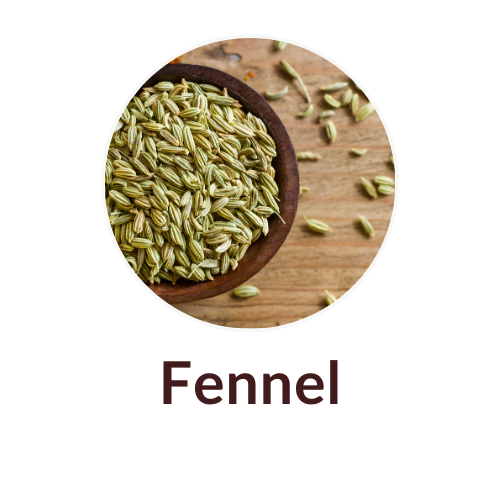
Let’s be real — not all serums are created equal. Some are basically overpriced perfume oils. Others are drowning in silicone and promise shine, not strength. The Dusky Monk Hair Serum, though, is packed with hardworking plant extracts like rosemary (hello blood circulation!), ginger (scalp stimulator), and fennel (anti-inflammatory hero) — perfect for those dealing with stress-related or early-stage hair fall.

But if your previous serum didn’t focus on root health or active plant-based repair, your hair probably gave it a hard pass.


3. Your Scalp Is a War Zone

If your scalp is loaded with buildup, clogged pores, or flaking like a snowstorm, even the best serum won’t work. Think of it like applying face cream over a full face of makeup — pointless, right?

Cleanse regularly with a mild, non-stripping shampoo. Make way for the serum to actually do its job.


4. Your Hair Is Getting Abused Elsewhere

Your serum is trying to heal, while your straightener is out here committing crimes. If you’re heat-styling daily, tying tight buns 24/7, or using harsh shampoos filled with sulfates and parabens, that serum is just damage control on a battlefield. You need to pause the abuse, friend.


5. You’re Missing Key Nutrients

Even the finest rosemary in the world won’t help if your body’s missing the basics — like protein, iron, omega-3s, zinc, or biotin. Your hair is literally built from protein (keratin, to be exact). So if your diet is 90% coffee and vibes, no serum can fix that.


6. You Gave Up Too Soon

Real talk: no serum shows major results in 7 days. Hair growth works on a cycle, and it can take 8–12 weeks to notice reduced shedding and visible regrowth. But most people quit at week 3 like, “Nothing’s happening.” Hang in there — real results take real patience.


7. You’re Not Supporting It With the Right Lifestyle

Stress? No sleep? Dehydrated? Your hair’s like, “Ma’am, please.”
Your lifestyle plays a huge role in your scalp health. The serum helps, but you need to meet it halfway — with water, sleep, movement, and maybe a little less doomscrolling at midnight.

How to Make Your Hair Serum Actually Work

Okay, so you’ve got a decent serum (like the one from Dusky Monk with rosemary, ginger, fennel and the whole plant-powered squad). But if it’s still not giving you the lush locks of your dreams, maybe it’s not the serum — maybe it’s the strategy.

Here’s how to actually make your serum stop sitting on your shelf like decoration and start working like the hair growth MVP it’s meant to be:


1. Apply It on a Clean Scalp — Not on 4-Day-Old Hair

Your serum is not a superhero. If your scalp is coated in oil, dry shampoo, or just plain gunk, even the best ingredients can’t penetrate. Clean your scalp first — even if that means yes, washing your hair when you don’t feel like it. Your future hair will thank you.


2. Less Is More – But Massage Is Non-Negotiable

Don’t drown your head. You don’t need to empty half the bottle in one go. A few drops, evenly spread on the scalp, is enough. But massage it in like you mean it.
Why? Because circulation = oxygen = hair follicle activation = growth.
Also, bonus: it’s weirdly therapeutic after a long day of dealing with humans.


3. Be Consistent – Like, Religiously

Applying serum once a week “when I remember,” is not a plan — it’s a gamble.
Stick to 3–4 times a week, especially if you’re using something gentle and natural like Dusky Monk’s water-based serum. Set a reminder, tie it to your skincare routine, bribe yourself with chocolate — whatever it takes.


4. Pair It with Hair-Safe Habits

You can’t pour ginger and rosemary on your scalp and then torch your hair with a straightener daily.
Use satin pillowcases. Avoid tight hairstyles. Eat real food. Hydrate. And for heaven’s sake, don’t brush soaking wet hair like it’s a rug. These small things matter more than you think.


5. Give It Time – Growth Doesn’t Rush for Anyone

Think of your hair journey like a fitness journey. You don’t get abs in a week — you get soreness, self-doubt, and maybe one visible muscle in 3 months. Hair is the same. Commit to 2–3 months minimum before judging results. And during that time? Keep showing up for your scalp.

What Makes Dusky Monk Hair Serum Different

Look, we get it — there are a hundred serums out there, and every single one claims to be “the ultimate hair fall solution.” But when you actually flip the bottle? You find more chemicals than a science lab, maybe some synthetic fragrance, and a plant extract thrown in just to sound natural.

That’s where Dusky Monk draws the line.

We built this serum for real people dealing with real-life problems — like stress, dullness, postpartum hair fall, early greys, or just straight-up burnout showing up on their scalps.

So what makes this one different?


🌿 It’s Not a Gimmick – It’s a Herbal Powerhouse

No Redensyl, no fake promises.
Just rosemary (to boost circulation and restart lazy follicles), ginger (to wake up your roots), fennel (to calm inflammation), and a squad of Ayurvedic herbs that your nani would 100% approve of.


💧 Water-Based, Lightweight & Non-Greasy

You won’t look like you dunked your head in oil.
This serum is light, absorbs fast, and is designed for regular use without turning your scalp into an oil slick. Perfect for everyday hustlers who want results without the mess.


🧠 It’s Backed by Logic, Not Hype

We didn’t throw ingredients in just to name-drop. Every extract is in here because it actually does something — improves follicle health, reduces breakage, supports growth, and soothes the scalp.


🧴 Safe for Everyone – Even the Sensitive Scalp Gang

No sulfates. No parabens. No harsh alcohols.
Just gentle, scalp-loving stuff that even people with sensitive skin can use without breaking into itches or regrets.


💬 And Yes, People Are Actually Seeing Results

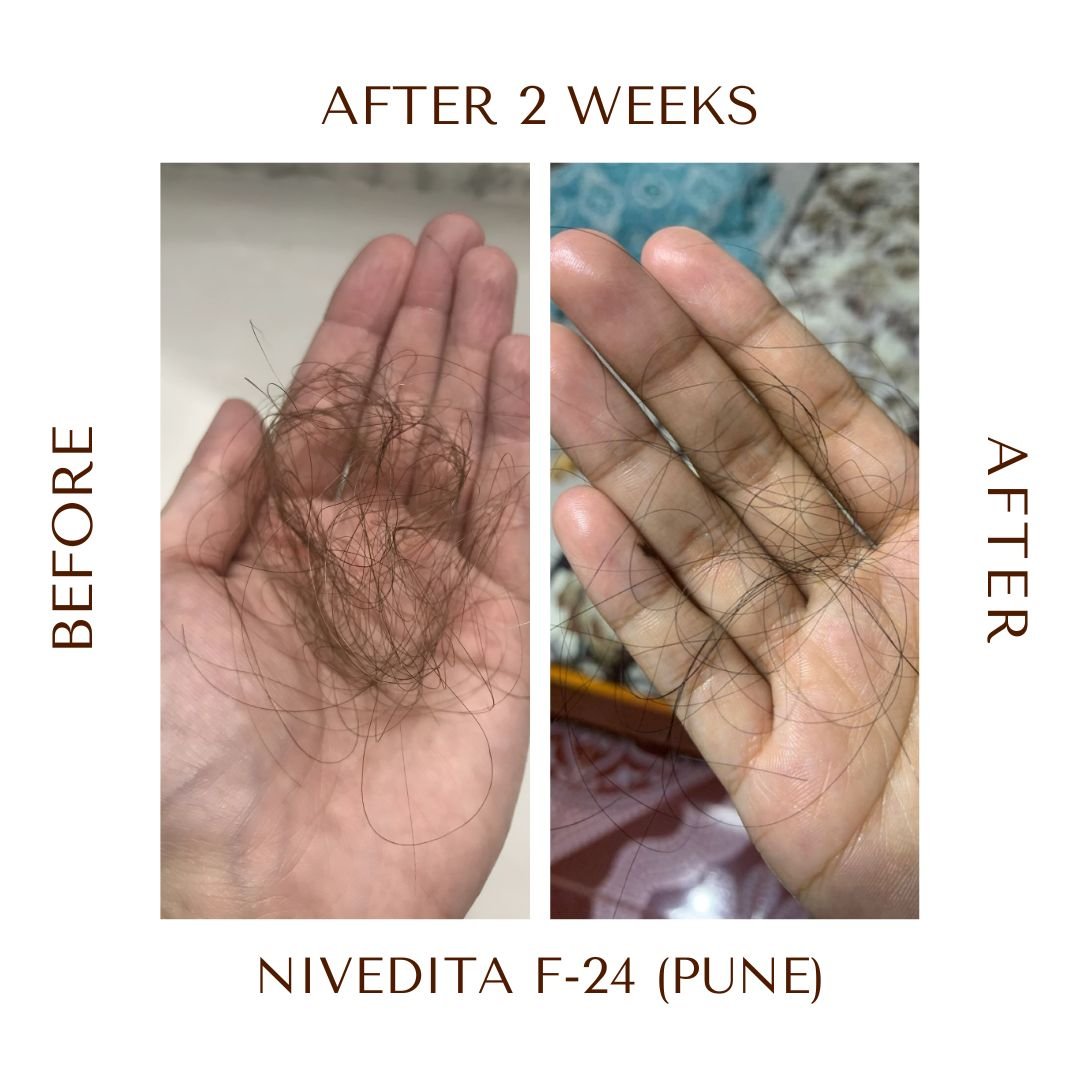
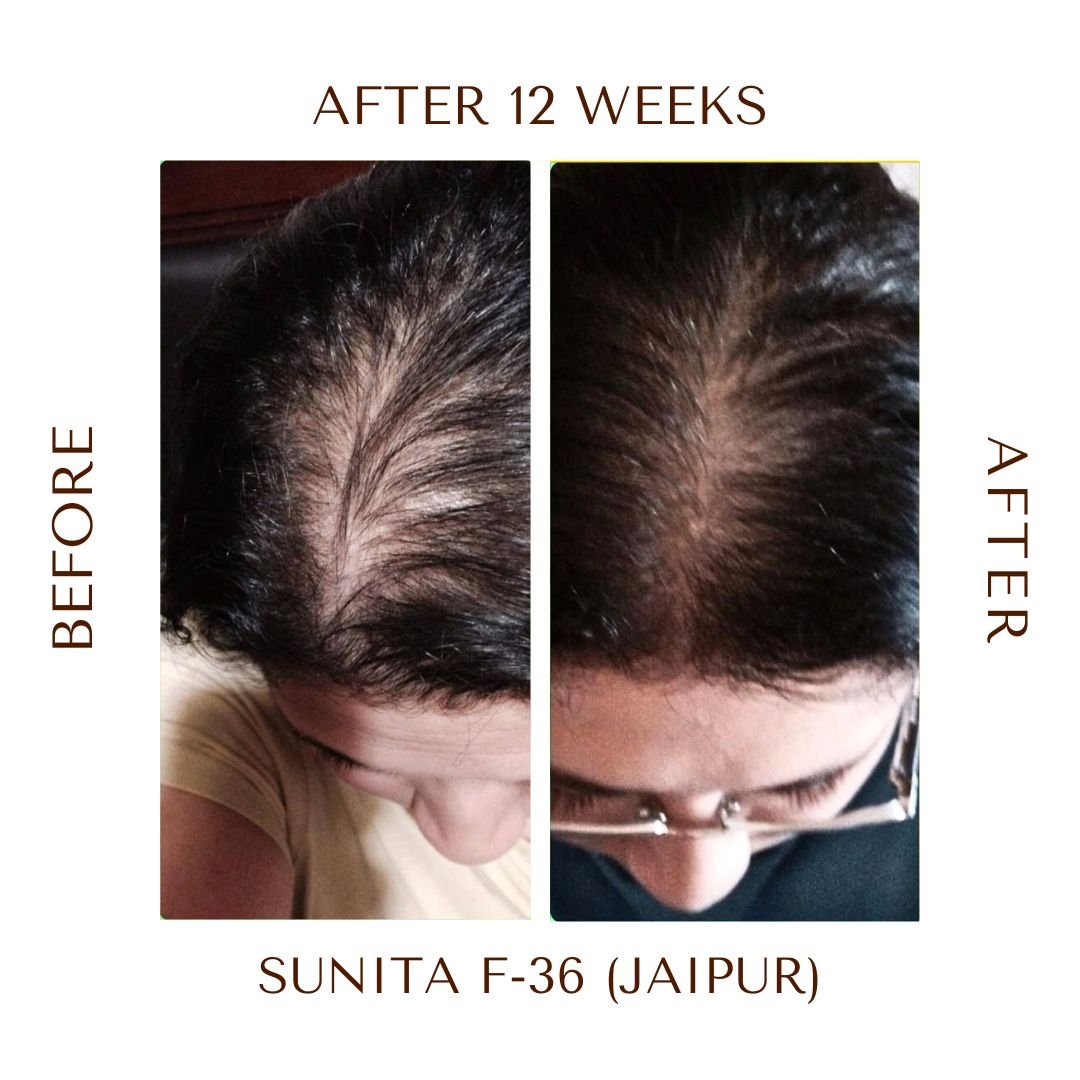
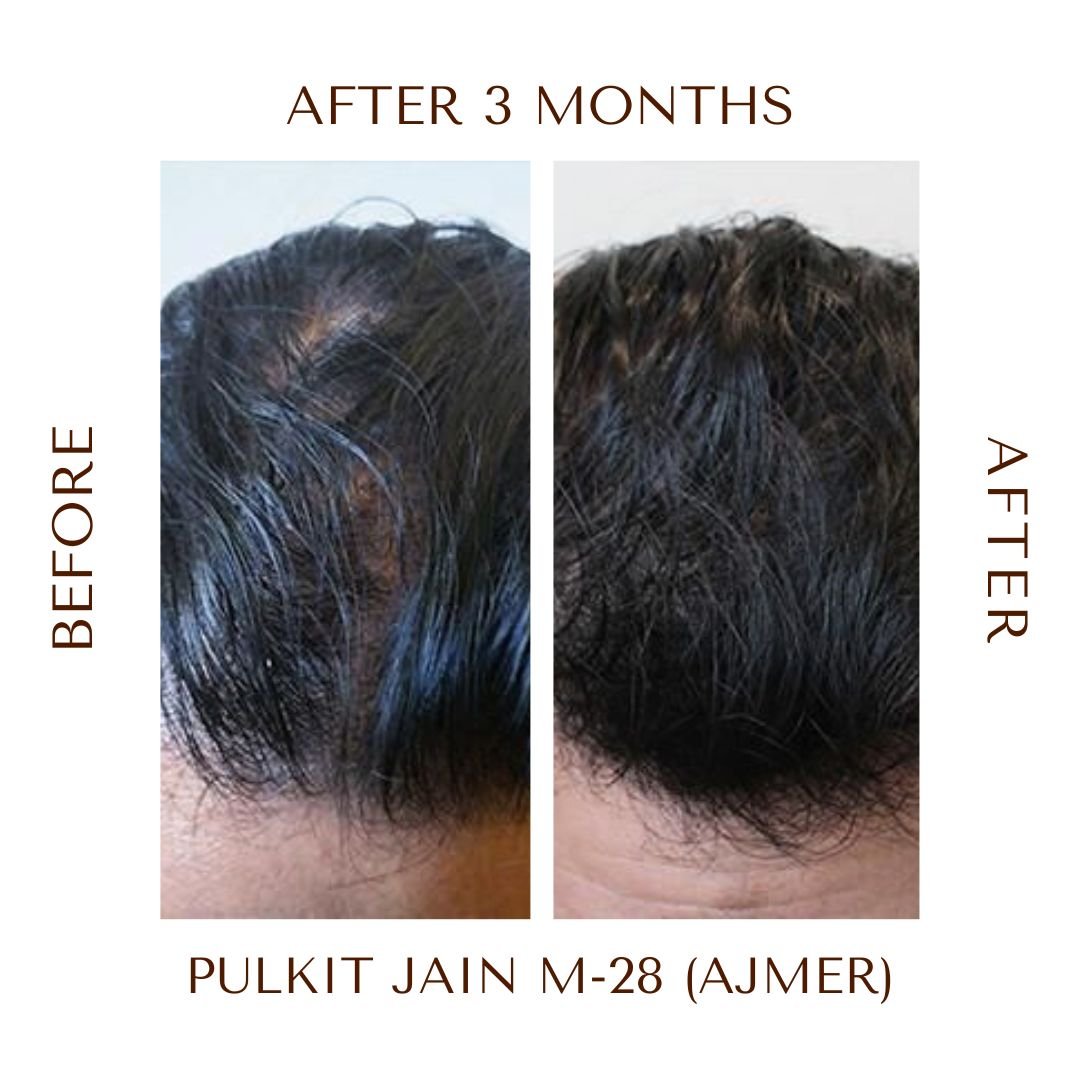
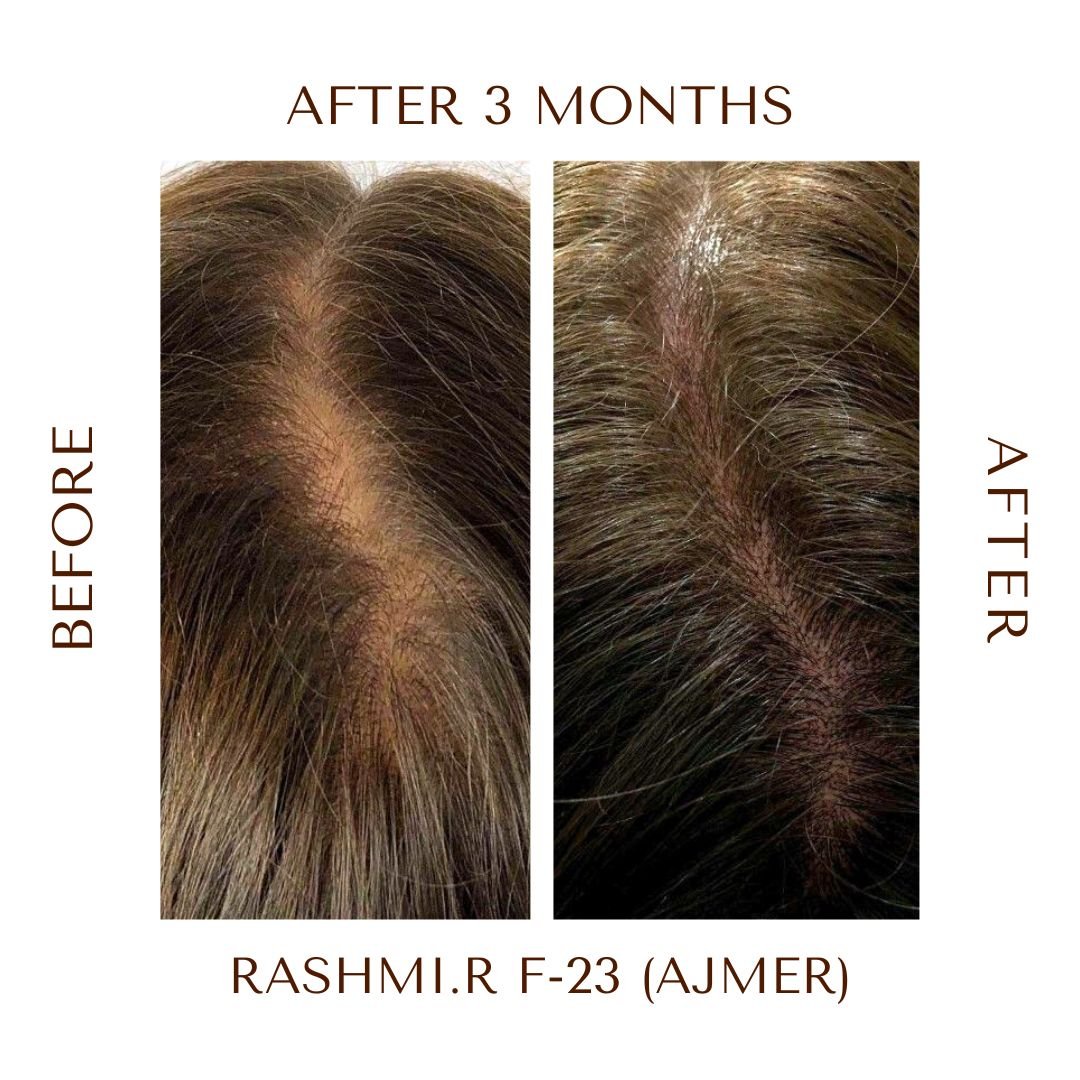
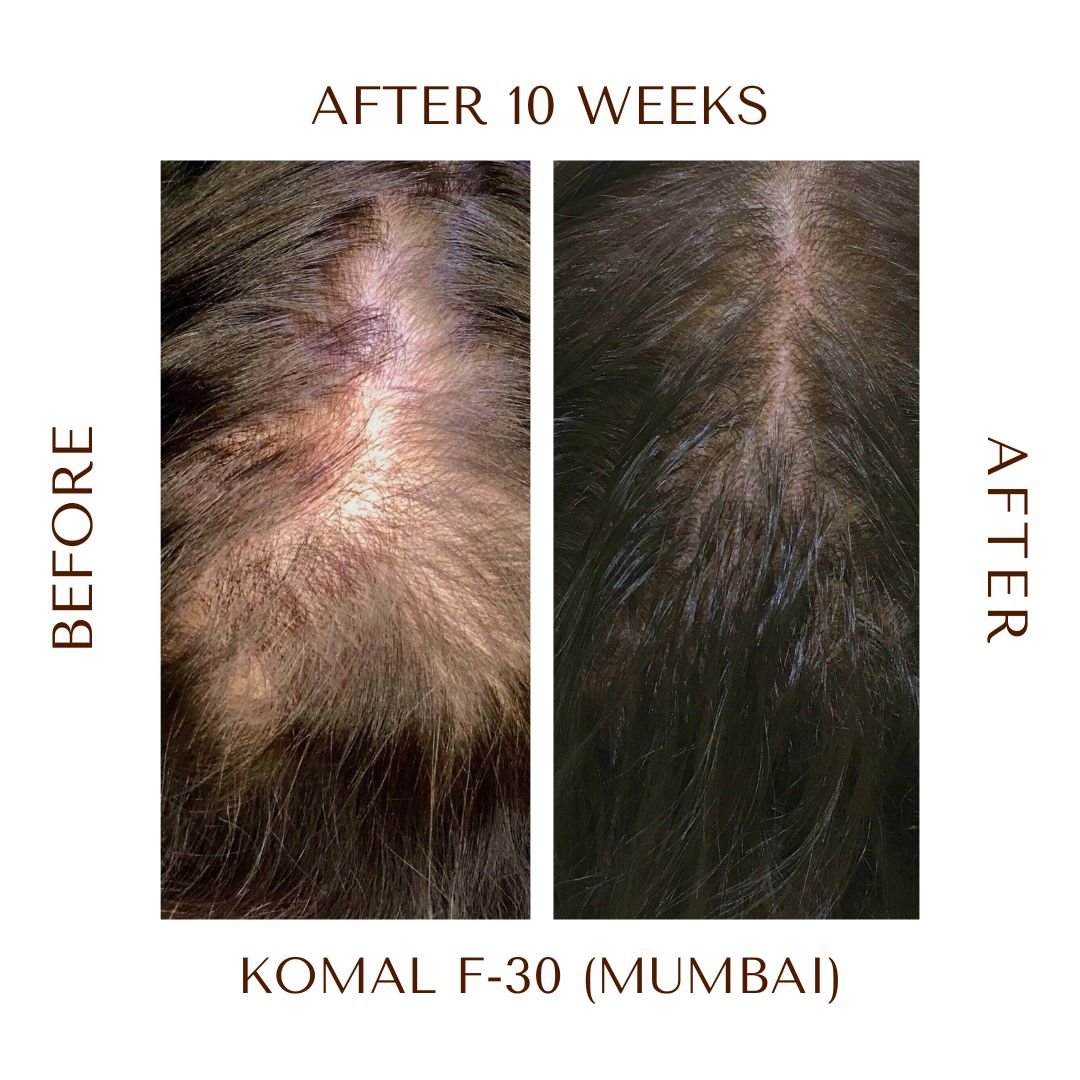
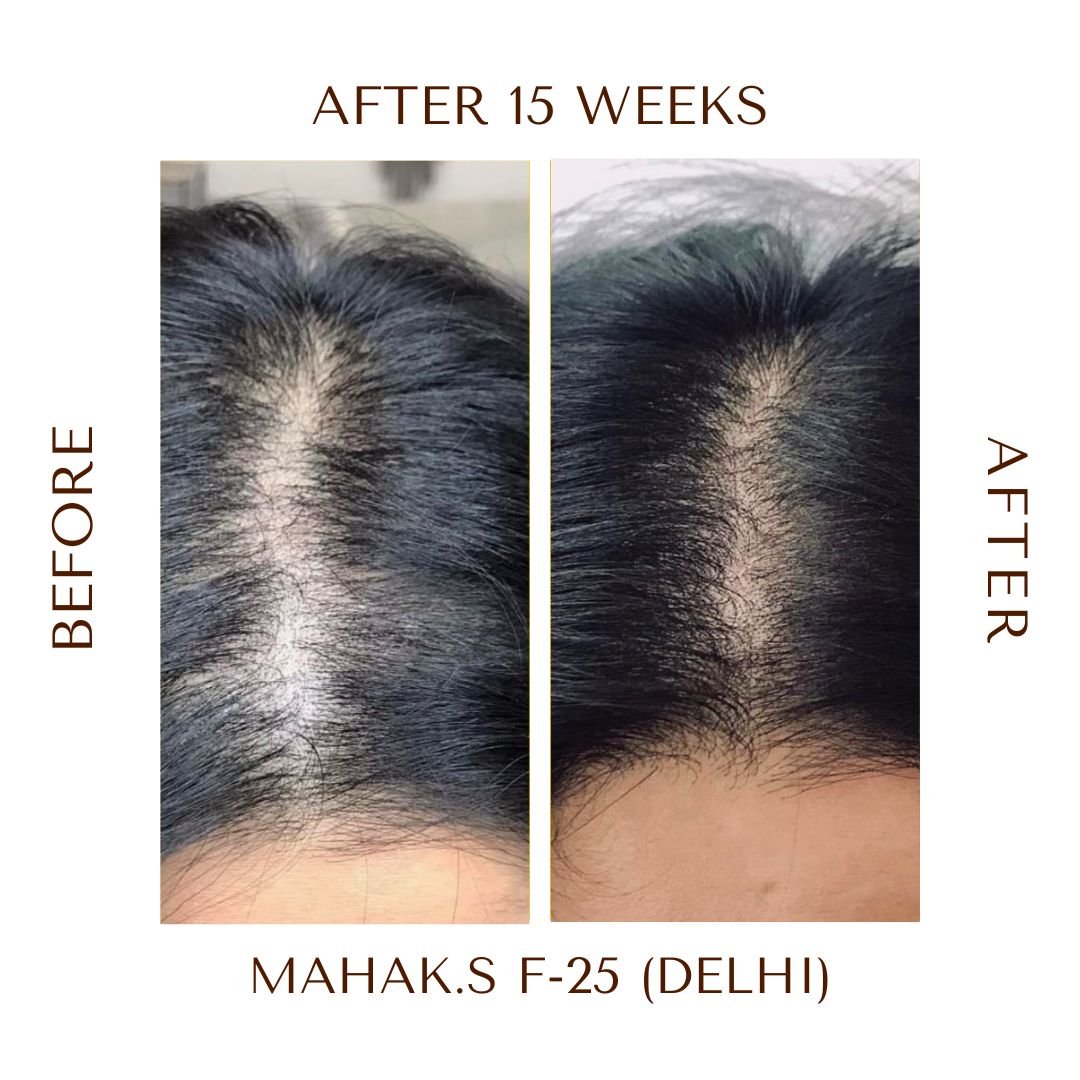
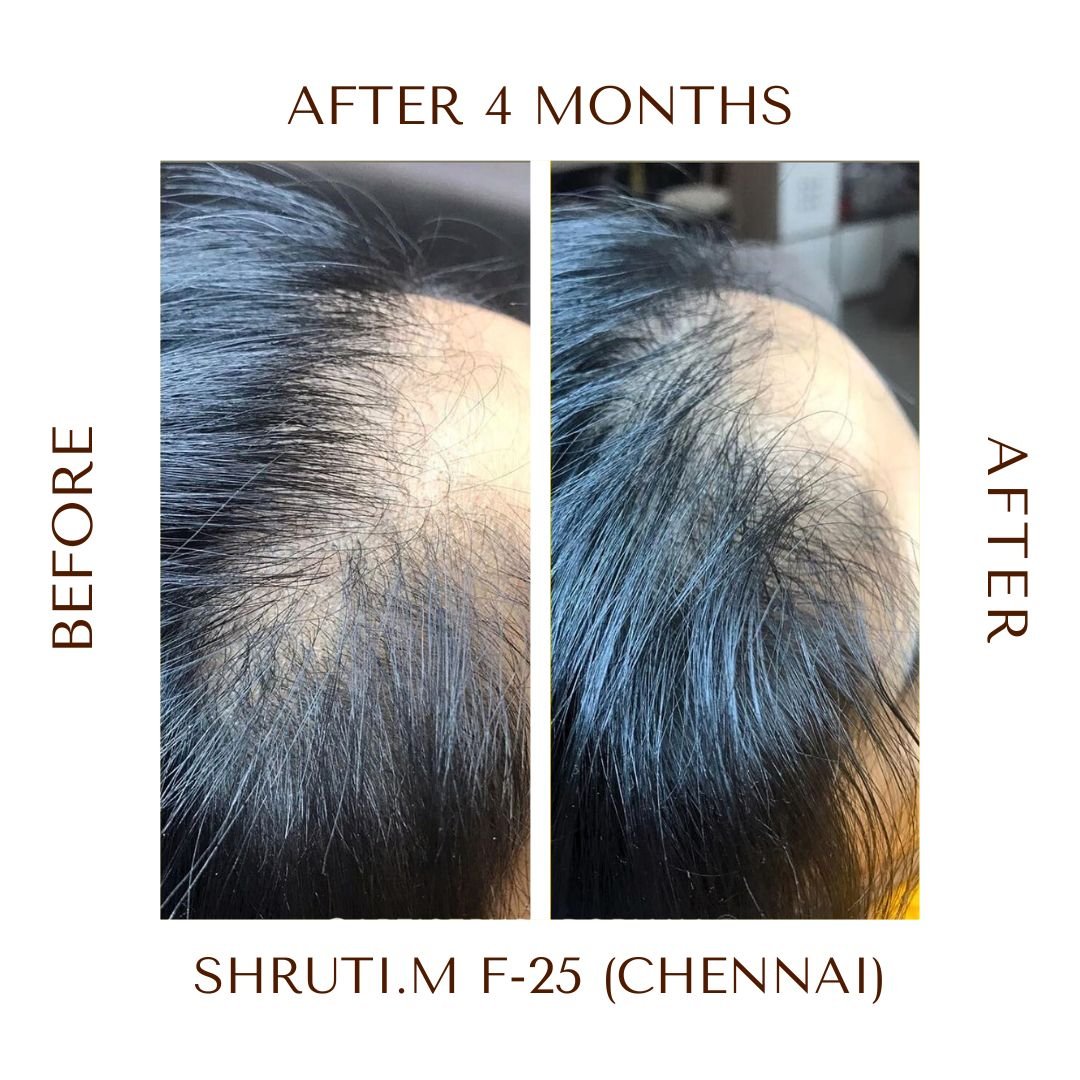
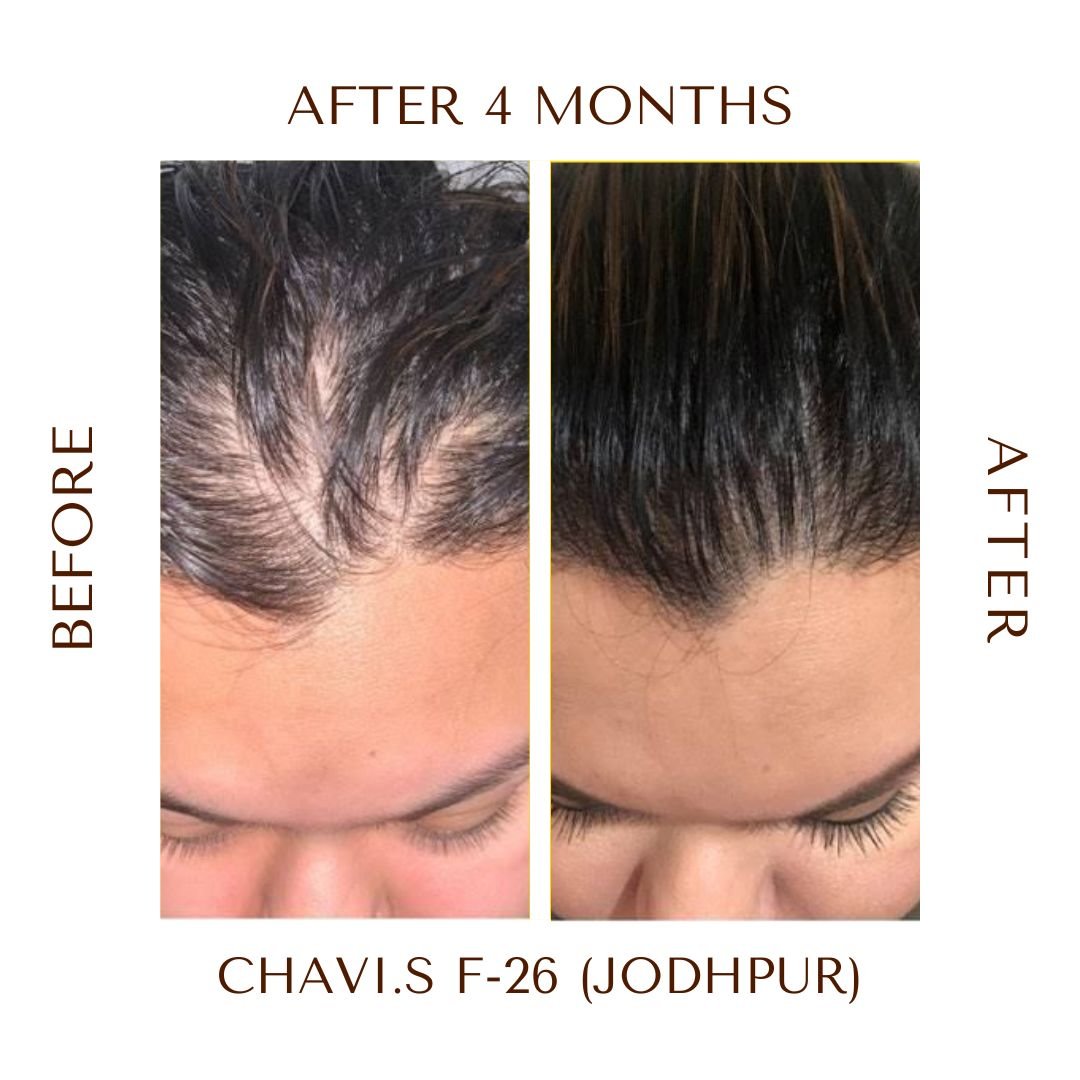
Our users aren’t just “influencer testimonials.” These are real Users who’ve messaged us things like, “My scalp doesn’t itch anymore,” or “My hairbrush isn’t a horror scene now.”
That’s not magic. That’s just what happens when your hair gets what it actually needs.

Conclusion: Don’t Blame the Serum (Yet)

Here’s the truth bomb no one wants to drop: hair fall is rarely fixed by a single product.
It’s a team effort — your serum, your habits, your lifestyle, and a little patience all working together like a squad on a mission.

So if you’ve been applying your serum with hope in your eyes but sadness on your pillowcase, don’t give up just yet. Maybe you just needed to clean your scalp. Or massage better. Or chill a bit (easier said than done, we know). But now — you know what’s been missing.

And if your current serum is just… sitting there with no real herbs, no purpose, and no soul — it might be time for an upgrade.


💚 Try the Serum That Actually Shows Up for Your Hair

Dusky Monk Hair Serum isn’t pretending to be a magic potion.
It’s a grounded, well-crafted, plant-powered formula made to support real scalp health, boost root strength, and reduce hair fall — naturally.

🔍 Want your hair to stop ghosting you?
👉 [Check out Dusky Monk Hair Serum here]

You’ve done the guessing. Now do the growing.

The Ultimate Guide to Hair Loss: Causes, Symptoms & 6 Natural Solutions

hair loss on after sleep dusky monk

Hair loss during sleep, let’s face it—seeing hair strands all over your pillow, shower drain, or comb can be stressful. One of the most common questions people ask when they notice excessive hair fall is: Why is my hair falling out?
The answer isn’t always simple, because hair fall can be triggered by various reasons, many completely treatable.

If you’re struggling with hair loss, this blog is your first step toward understanding what’s going on with your hair and how to take back control.

1. Stress: The Silent Culprit

Emotional and physical stress can push a large number of hair follicles into a resting phase, known as telogen effluvium. You may notice hair shedding a few weeks or months after a major stressor, such as illness, surgery, emotional trauma, or even intense dieting. As well as compromising sleep can also trigger hair fall as it increases cortisol and restricts body repair, which significantly reduces the collagen production on hair follicles, resulting in sudden hair loss!

2. Hormonal Changes

Hormonal imbalances—especially in women—can lead to significant hair fall. This includes pregnancy, postpartum, menopause, PCOS, and thyroid disorders. In men, an increase in DHT (dihydrotestosterone) can shrink hair follicles and cause pattern baldness. Especially in early age when Testosterone production is at peak, where in some people the enzyme 5-alpha reductase rapidly converts Testosterone into DHT, leading to Male pattern baldness MPB, hair thinning, and Androgenetic Alopecia.

3. Nutritional Deficiencies

Hair is one of the first areas to suffer when your body lacks essential nutrients. Deficiencies in iron, vitamin D, biotin, protein, and zinc can weaken the hair shaft, slow down growth, and cause more strands to fall out.

4. Poor Hair Care Habits

Excessive heat styling, harsh chemical treatments, tight hairstyles (like ponytails or braids), and over-washing your hair can cause breakage and scalp damage. Often, what we think is natural hair fall is preventable damage.

5. Genetics

If your parents experienced hair thinning or balding, there’s a higher chance you might too, especially on your mother’s side. However, genetic hair loss doesn’t mean it’s untreatable—it just means you need consistent, targeted care.

6. Scalp Health Issues

A healthy scalp is the foundation of healthy hair. Conditions like dandruff, fungal infections, or scalp buildup can block hair follicles, leading to poor growth and eventual fall-out. Oily scalp and chronic stress are generally the main reasons behind hair fall due to seborrheic dermatitis. In which a patient suffers from intense Dandruff and hair falling from the bulb (roots).


6 Things that help you control your Hair Loss

1) Brahmi (Bacopa monnieri)

In Ayurveda, Brahmi is one of the core medicinal herbs that significantly reduces your stress level while making your brain function better and helping with your sleep. It also stimulates hair growth by increasing blood circulation to your follicles. One can have Brahmi as Tea after lunch or apply Brahmi integrated serum/spray on the scalp or both for more benefits!

2) Sound Sleep

Poor sleep may be a hidden culprit behind your excessive hair fall, even after using costly medicine and topical serums, yet some people get no major results, and the sleep quality can be the reason. So, better sleep not just counters stress but also increases the collagen in the nearby follicle area, improves the body’s repair cycle, and supports the quality of Hair.

Reducing screen time and no screen 1 hour before sleep drastically increases your sleep quality, as well as taking Brahmi Tea will boost your hair production.

3) Ashwagandha (Withania somnifera)

Ashwagandha or Withania Somnifera, or Indian Ginseng, is a vital herb for our body. It increases our body strength, increases energy level, boosts sleep quality, reduces cortisol, and balances hormonal levels. It can significantly boost testosterone in the Male body (if low) and balance the Androgen and Estrogen levels in Females, especially in PCOD & PCOS, where levels of Androgens are higher than normal.

So using this herb for hair fall due to hormonal imbalance, especially for males who suffering from Androgenetic Alopecia (AGA) or Male Pattern Baldness (MPB) due to increased level of DHT (Dihydrotestosterone), Ashwagandha regulates DHT production by controlling 5-alpha reductase enzyme, which is responsible for converting Testosterone into DHT.

Whereas we cannot claim it as a DHT inhibitor or Blocker, but it works more as a regulator that controls the Level of DHT production under a natural healthy range.

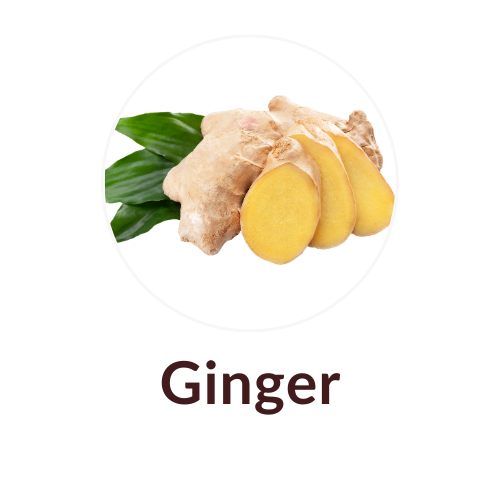
4) Ginger

Ginger (Zingiber officinale) is a medicinal root used for centuries in Ayurvedic and Chinese medicine. It’s packed with bioactive compounds that benefit the scalp and hair follicles, such as:

  • Gingerol – A potent antioxidant and anti-inflammatory agent
  • Zingiberene – Promotes blood circulation
  • Vitamins (B6, C) & Minerals (Magnesium, Potassium) – Essential for hair follicle nutrition
  • Fatty Acids – Help condition and protect the hair strand

1. Boosts Scalp Circulation: One of the most direct causes of weak hair is poor blood flow to the scalp. Ginger’s warming properties stimulate blood vessels, allowing more nutrients and oxygen to reach the hair root, reviving dormant follicles and encouraging growth.

2. Fights Scalp Inflammation and Dandruff: A healthy scalp is key to reducing hair fall. Ginger’s anti-inflammatory and antifungal effects help calm irritation, reduce itchiness, and fight conditions like seborrheic dermatitis that can lead to hair thinning.

3. Reduces Oxidative Stress: Stress and pollution create free radicals that damage hair follicles. Gingerol and other antioxidants in ginger help neutralize this damage and protect the scalp’s cellular health.

4. Improves Follicle Nourishment: Thanks to its rich mineral content, ginger helps “feed” the follicles, ensuring they have what they need to grow strong, thick strands.

5) Gotu-Kola

In the world of herbal remedies, Gotu Kola is often called the “herb of longevity”—and for good reason. Used for centuries in Ayurvedic and Traditional Chinese Medicine, this small leafy plant isn’t just good for your brain and skin—it’s a powerful ally for your hair and scalp too.

Gotu Kola (Centella asiatica) is a perennial herb native to South and Southeast Asia. It’s known for its adaptogenic and healing properties, thanks to its rich content of triterpenoids, flavonoids, amino acids, and phytochemicals.

These compounds play a critical role in collagen synthesis, blood circulation, and skin regeneration—all of which contribute to healthy hair growth.

1. Stimulates Blood Flow to the Scalp: Poor circulation means fewer nutrients reach your hair follicles. Gotu Kola is a natural circulatory booster, improving blood flow to the scalp and nourishing the follicles—essential for regrowth and reducing thinning.

2. Strengthens Hair Follicles: Triterpenoids found in Gotu Kola enhance the production of collagen and other structural proteins, which help fortify hair roots and improve follicle integrity. This means stronger strands, less breakage, and a healthier hair growth cycle.

3. Reduces Inflammation and Oxidative Stress: Chronic inflammation of the scalp is a hidden cause of hair loss. Gotu Kola contains powerful anti-inflammatory and antioxidant compounds that help soothe the scalp and protect against free radical damage, which can impair hair growth.

4. Supports Stress Management: Stress is one of the top triggers for hair fall. Gotu Kola acts as an adaptogen, helping the body manage stress more effectively, reducing the impact of stress-induced hair shedding (telogen effluvium).

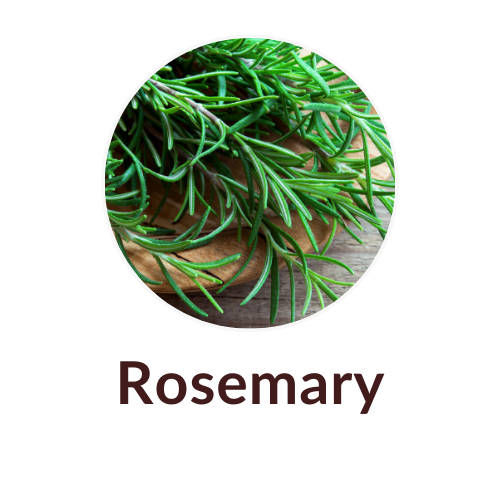
6) Rosemary / Hair Stimulating herb

Rosemary (Rosmarinus officinalis) is a fragrant evergreen herb native to the Mediterranean region. Traditionally used to improve memory, digestion, and circulation, rosemary has gained serious attention for its hair-stimulating properties—and for good reason.

The star compounds in rosemary include:

  • Rosmarinic acid – Anti-inflammatory and antimicrobial
  • Ursolic acid – Promotes collagen and circulation
  • Carnosic acid – Helps regenerate nerve and tissue cells
  • Essential oils – Improve blood flow and scalp detoxification

1. Stimulates Blood Circulation: Rosemary is known for its ability to dilate blood vessels, which boosts circulation to the scalp. Better blood flow means more nutrients and oxygen reach the hair follicles—helping them grow stronger, thicker strands.

2. Blocks DHT (A Leading Cause of Hair Loss): Dihydrotestosterone (DHT) is a hormone that causes hair follicle shrinkage in pattern baldness. Rosemary extract has been shown to inhibit DHT at the follicle level—similar to the way minoxidil works, but without harsh chemicals or side effects.

3. Soothes Scalp Inflammation: Scalp issues like itchiness, flakiness, and redness can interrupt the hair growth cycle. Rosemary’s natural anti-inflammatory and antimicrobial properties help calm irritation, fight dandruff, and keep the scalp clean and healthy.

4. Encourages Nerve Regeneration: Carnosic acid in rosemary has shown potential in regenerating damaged nerve endings and tissue around hair follicles—especially beneficial if your scalp has been stressed by styling, harsh chemicals, or inflammation.

🌱 Rosemary vs. Minoxidil: What Science Says

In a 2015 study, rosemary oil was compared directly to 2% minoxidil (a common hair regrowth medication). After six months, both groups showed similar improvements in hair growth—but the rosemary group had fewer side effects like scalp itching and flaking.

This makes rosemary a natural, safe, and effective alternative for long-term use.

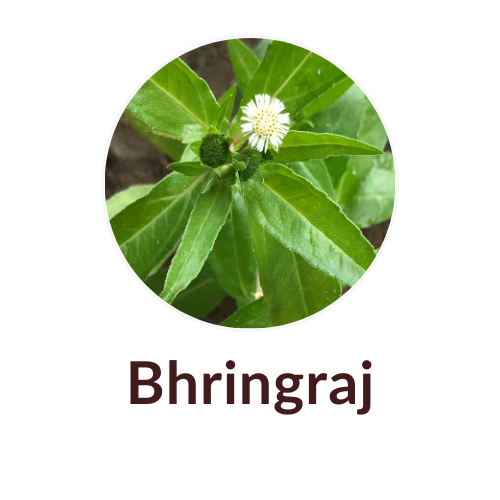
That’s exactly why we created Dusky Monk Anti-Hairfall Hair Fall Serum—a natural, research-backed solution packed with powerful herbal extracts like Bhringraj, Brahmi, Gotu Kola, Rosemary, Ashwagandha, and Onion Extract, designed to tackle multiple causes of hair loss at once.

It’s time to stop worrying and start treating your hair fall from the root—literally.


Shopping Cart
Scroll to Top